How HMDD’s Arc Beginning as Vision to Streetwear Essential
Where HMDD comes from starts the way each streetwear label does — with a concept — but in this case it was a statement that stuck and never let go: “Happy Memories Don’t Die.” That idea, abbreviated as HMDD, has grown from a minor design idea into a recognizable name in today’s streetwear scene. HMDD’s path mirrors a wider trend in how independent labels build identity — not by relying on huge marketing budgets, but through a steady brand voice, a recognizable aesthetic, and pieces that earn a spot in daily rotation. Looking ahead to 2026, this rundown traces that evolution, looks at what sets HMDD clothing apart in a crowded market, and offers a straightforward look of where HMDD currently stands.
Over the past decade, streetwear as a fashion niche-turned-mainstream has matured considerably. What began as a corner of fashion defined by graphic tees and limited drops has grown into a complete lifestyle wardrobe, stretching across everything from outerwear to loungewear. Leading with a name-driven approach, HMDD entered this landscape: the phrase “happy memories dont die” is more than a tagline — it functions as a philosophy woven through how the brand handles design, marketing, and community building. That philosophy deserves a closer look before getting into the product www.hmmdla.net details.
Where the HMDD Idea Started
Rather than starting inside a corporate office, HMDD got its start elsewhere. A single idea — that recollections, particularly the good ones, are worth keeping and wearing rather than left in photo albums — formed the basis for what began as a small-scale effort, in the same way as a lot of streetwear brands have started. The name itself functions as both branding and mission statement. Rather than leaning on conceptual icons or appropriated slang, the brand constructed its identity from a full phrase that buyers could quote, tattoo, or post as a caption — a shrewder lasting strategy than a generic icon alone.
In the initial phase, what the brand put out was kept small. Tightly capped batches, a small lineup of graphic tees, and grassroots buzz got it through its early stage. This mirrors a familiar pattern seen throughout streetwear’s history — early-era Supreme or Bape are examples of brands that started small before expanding into broader collections. HMDD mirrored this approach, relying on scarcity and design with a message to earn a loyal base of early customers rather than chasing broad appeal from day one.
The brand, more than so many other startup labels, was defined by consistency of message, which is what made it different. With every drop, the same emotional throughline was reinforced: nostalgia, staying power, and the idea that happy memories persist longer than hard times. Instead of chasing every trend, that consistency is largely why the brand carries staying power into 2026 instead of fading after a handful of seasons.
Starting with Graphic T-Shirts to a Complete Closet
Advancing further, its expansion took the form of expanding the catalog past tees and hoodies. HMDD sweatpants and HMDD shorts became key additions, moving the brand from a graphic-tee label into a richer loungewear and streetwear ecosystem. The move carried weight since sweatpants and shorts are frequently repurchased purchase items — customers who buy one pair often return for a second or third, especially when fit and fabric weight meet standards.
HMDD sweatpants are typically framed as an everyday staple rather than a standout item, which matches the brand’s wider identity. Sweatpants and shorts don’t rely on bold graphics the way tees do; they succeed or fail based on fit, stitching quality, and comfort during actual wear. This category push made clear that HMDD wanted lasting relevance as a complete apparel brand, not just recognition as a t-shirt company with a clever name.
Shorts followed a matching logic. HMDD shorts close the gap between polished streetwear and straight athletic wear, giving customers a piece that works for everyday outings, active sessions, or simply lounging. Few signals of brand maturity are as clear as this category expansion, which shifts the brand from single hero items toward a wardrobe system customers can rotate through fully.
Working Through an HMDD Review
Anyone searching for an honest hmdd review online will notice a pattern: customers regularly mention fit, print durability, and overall comfort as deciding factors. Streetwear buyers today are more educated than they were ten years ago. Before committing to a purchase, they compare stitching, look into fabric weight, and read reviews — especially when a brand doesn’t have a flagship retail presence in every city.
Praise found across HMDD review threads usually zeroes in on the brand’s ability to keep its message consistent across product types — the “happy memories don’t die” phrase appears thoughtfully rather than being slapped onto every item without purpose. Where criticism does show up, it usually centers on sizing consistency, which is a recurring issue across almost every growing streetwear label as they scale production. Labels that stay tuned to this feedback loop generally adjust fast, and HMDD’s continued product updates point to active listening rather than standing still.
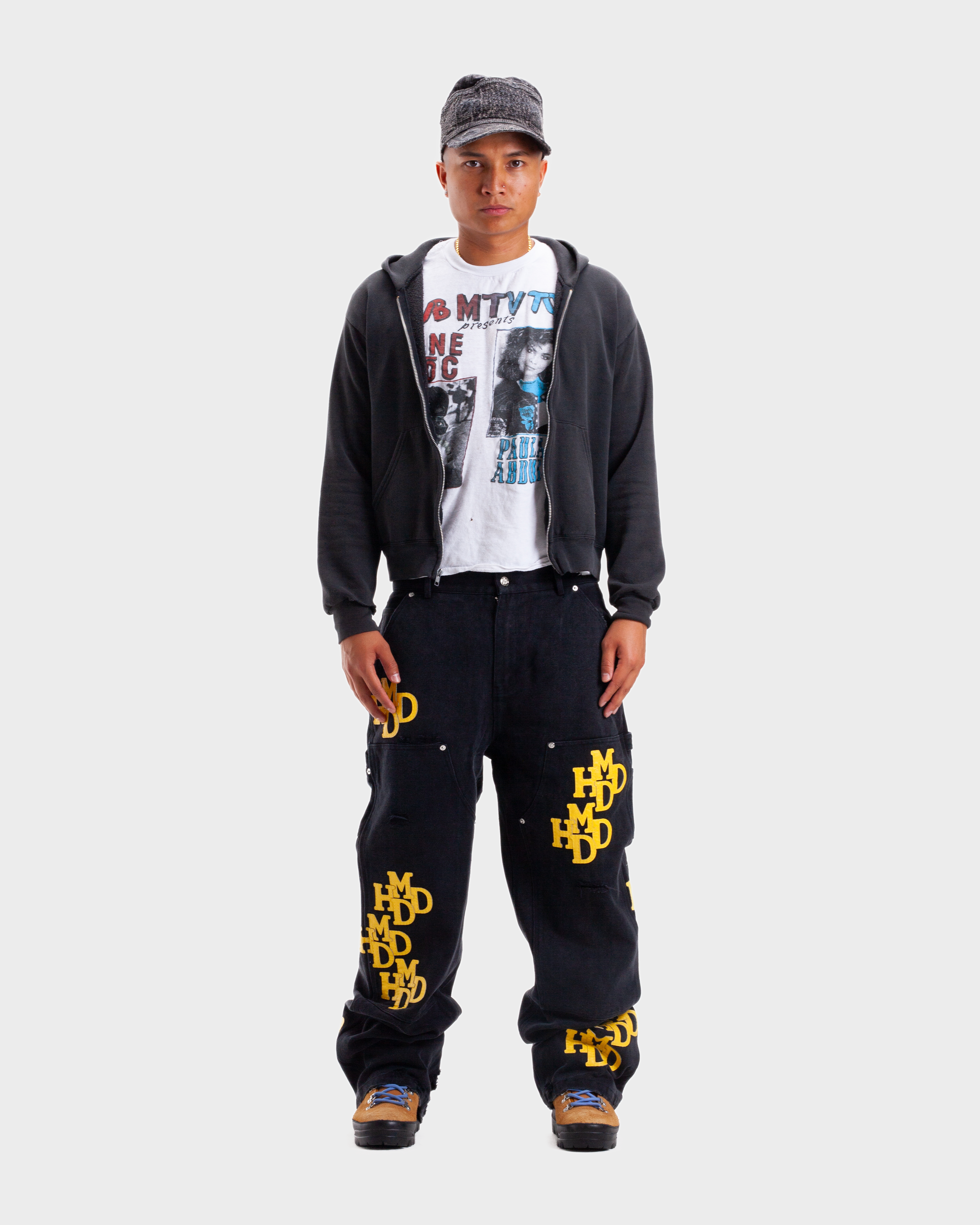
For shoppers trying to pin down the best hmdd clothing pieces to start with, reviews regularly highlight the sweatpants and core graphic tees as entry points, with shorts recommended for the hotter months. Because it comes from people who genuinely used the product daily, this kind of grassroots, review-based guidance may be worth more than any marketing campaign.
HMDDLA and the Regional Identity Angle
Streetwear has always had strong regional roots, with HMDDLA — the Los Angeles-associated identity tied to the brand — draws from that tradition. Streetwear culture has incubated in Los Angeles for decades, from skate-shop culture to small labels that grew into worldwide names over time. By leaning into an LA-connected identity, HMDD taps into a recognizable lineage of West Coast streetwear culture, giving the brand a geographic anchor point that customers can connect with beyond just the product itself.
This place-based brand strategy isn’t unique to HMDD, yet in this case it’s done deliberately. Rather than just slapping a city name onto packaging, the HMDDLA angle reinforces the brand’s broader narrative: nostalgia connected to place, moment, and togetherness. It offers shoppers a narrative worth investing in, not merely an item.
Cultivating natural community ties is likewise strengthened by place-rooted identity. Local pop-ups, collaborations, and word-of-mouth growth in a specific city tend to generate deeper brand loyalty than purely digital-only labels. Whether HMDDLA continues as a core part of the brand’s identity through 2026 will most likely hinge on how much the label continues to put emphasis on physical presence versus continuing as chiefly digital-first.
The Way HMDD Compares Alongside Everyday Streetwear Competitors
To get a sense of where HMDD fits within the industry, it’s useful to compare its broad positioning against common patterns seen among streetwear rivals. The breakdown beneath this reflects broad trends within the category rather than specific price-for-price matchups, since specific competitor pricing changes on an ongoing basis.
| Comparison Point | The Manner HMDD Positions Itself | Typical Rival in the Streetwear Space |
|---|---|---|
| Identity Statement | “Happy Memories Don’t Die” anchors a full phrase-based identity | Typically logo-led, short on storytelling |
| Product Range | Featuring tees, hoodies, sweatpants, and shorts | Varies widely; a lot of them stay tee-and-hoodie focused early on |
| Place-Based Branding | HMDDLA / Los Angeles-linked branding | Inconsistent; some brands steer clear of geographic ties completely |
| Growth Strategy | A progression from small-batch drops to a complete wardrobe system | Often similar, although the pace of growth differs from label to label |
| Customer Input Cycle | Closely tracking review-driven sizing adjustments | Variable industry-wide |
HMDD for 2026: A Look at Its Standing
As 2026 approaches, HMDD holds a standing many independent streetwear labels strive toward yet rarely attain: a recognizable name, a widening catalog, plus an engaged customer base that keeps discussing the brand via feedback and search patterns.
The move from a slogan-based idea to a multi-category apparel label didn’t happen overnight, and it distinctly tracked the same disciplined pattern seen in other successful streetwear evolutions — begin with a tight focus, build loyalty, then expand deliberately.
Beyond the original tee-driven lineup, bringing in sweatpants and shorts shows that the label is looking beyond one hero product. The HMDDLA regional identity adds an added sense of place-based authenticity that echoes streetwear’s long-standing roots in specific cities and subcultures. On top of that the ongoing conversation around HMDD review content — encompassing both compliments and constructive feedback — points to a label persistently refining itself based on genuine shopper input rather than presumptions.
For buyers considering HMDD clothing as a newcomer, the path forward is pretty simple: start with a core piece, be mindful of sizing notes from prior reviews, and expand into sweatpants or shorts once fit preferences are confirmed. How the brand grew from a single resonant phrase into a full-fledged streetwear staple is a reminder that in this industry, a consistent message often outlive pure trend-chasing — and HMDD’s trajectory through 2026 looks like a continuation of that very principle.